
A Treatment Series
A single CFR series is typically delivered over four consecutive days, allowing the cranial system to respond gradually rather than all at once.
Cranial Facial Release is an endonasal, balloon-assisted technique that aims to open the nasal passages and mobilize the structures that restrict nasal breathing. Some people with chronic nasal obstruction have explored CFR as a non-surgical option, often as a last resort after conventional care. Results vary, it is not a guaranteed cure, and it is not a replacement for surgery.
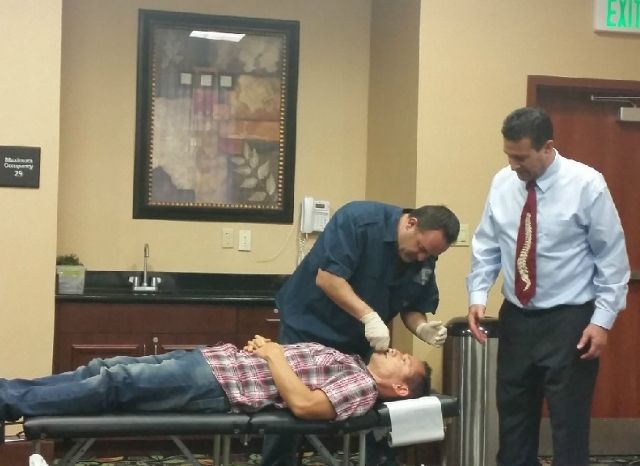
The intent behind CFR is straightforward: open the breathing passages and restore mobility in the cranial system, so air can move through the nose the way it is meant to.
When the nasal passages are narrowed by chronic congestion, a deviated septum, or restricted movement in the bones of the face, breathing through the nose can feel like a constant effort. People describe sleeping with their mouth open, struggling during exercise, or never feeling like they get a full breath through one side.
During a CFR treatment, a practitioner gently inflates small balloons inside the nasal passages (the naso-pharynx). The aim is to mobilize the bones of the face and cranium, particularly the sphenoid, and to widen the nasal airway so air can pass more freely. By opening the breathing passages and restoring cranial mobility, CFR aims to make nasal breathing easier for the people it is suited to.
It is important to be honest about what this is and is not. CFR does not surgically straighten a deviated septum the way a procedure such as septoplasty would, and it is not a promise to eliminate any condition. Many people pursue it as a non-surgical avenue after conventional treatment has not delivered lasting relief, and outcomes differ from person to person.
CFR is delivered in a structured, non-surgical course. Your provider will tailor the schedule to your individual case, but most people follow a consistent pattern.
A single CFR series is typically delivered over four consecutive days, allowing the cranial system to respond gradually rather than all at once.
Many people complete three to four series over time. The number depends on how your body responds and your provider's assessment of your case.
The release itself is non-surgical and takes only seconds: the practitioner briefly inflates small balloons in the nasal passages, then removes them.
No. CFR does not claim to cure breathing disorders, and it does not surgically straighten a deviated septum the way a procedure such as septoplasty would. It is a non-surgical technique that aims to open the nasal passages and ease nasal breathing. Some people have reported improvement in how freely they breathe through the nose, but results vary and there are no guarantees.
No. CFR is not a replacement for medical advice, diagnosis, or surgery. Many patients explore it as a non-surgical option, often after conventional care has not given them lasting relief, and ideally in coordination with their medical provider.
A typical series is four days of treatment, and many people complete three to four series. Each release is non-surgical and takes only seconds. Your provider will recommend a schedule based on your individual case.
If chronic breathing problems or a deviated septum have not eased with conventional care, a qualified CFR provider can help you understand whether this non-surgical technique may be appropriate for you. Use the directory to find a trained practitioner near you.